
In this article
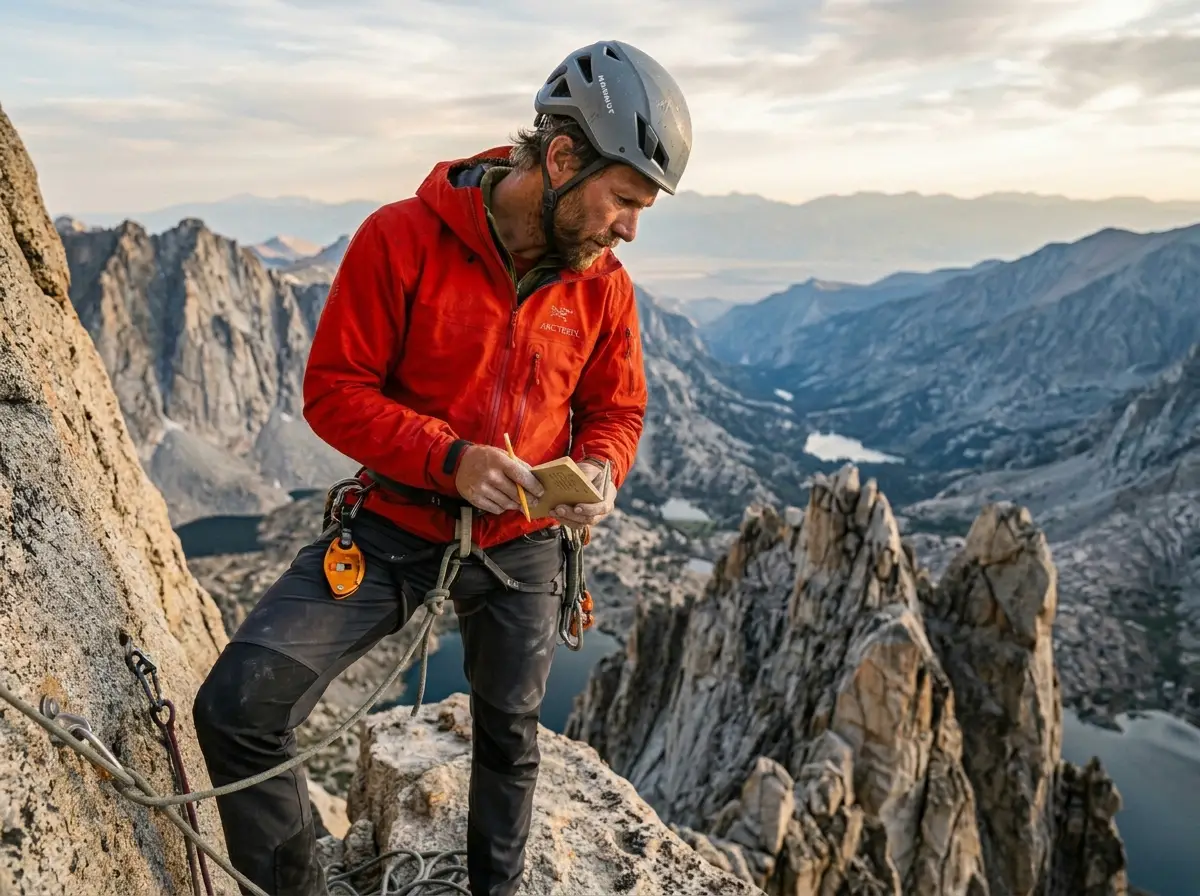
The examiner called time. I had been working the anchor for four minutes — twice the acceptable window — and I knew before he spoke that I’d failed the transition. Six months of mock guiding, 40 trad leads logged across four states, and a $3,400 course fee in the rearview mirror. In that moment on a sunny granite slab in the Eastern Sierra, I understood what no AMGA brochure had ever told me: the certification path doesn’t test whether you can climb. It tests whether you can think while climbing, for other people’s lives, while exhausted.
This is a complete, unsparing roadmap of the AMGA certification track — from the CWI baseline to the IFMGA pin — covering the prerequisites they list, the unofficial standards they actually enforce, the physics they examine on the board, and the financial reality they never put in the brochure.
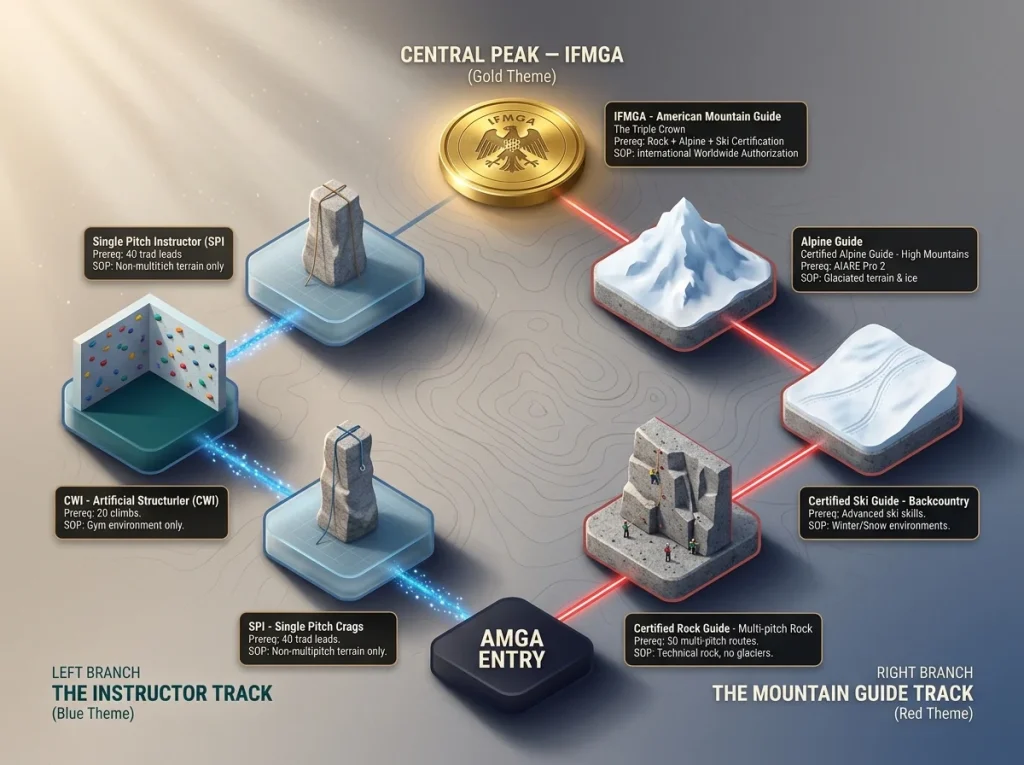
⚡ Quick Answer: The AMGA runs two parallel tracks — an Instructor track (CWI and SPI) for gym and single-pitch terrain, and a Mountain Guide track (Rock, Alpine, Ski) that culminates in the IFMGA pin. The full guide track takes 5–12 years and costs $45,000–$75,000+ when you count gear, travel, and ancillary certifications like WFR and AIARE. The credential is not a climbing benchmark — it is a professional risk management license with legal scope of practice boundaries that define exactly where you can guide and what insurance covers you.
The Two Tracks: Instructor vs. Mountain Guide
Most people conflate these two paths. That’s the first mistake.
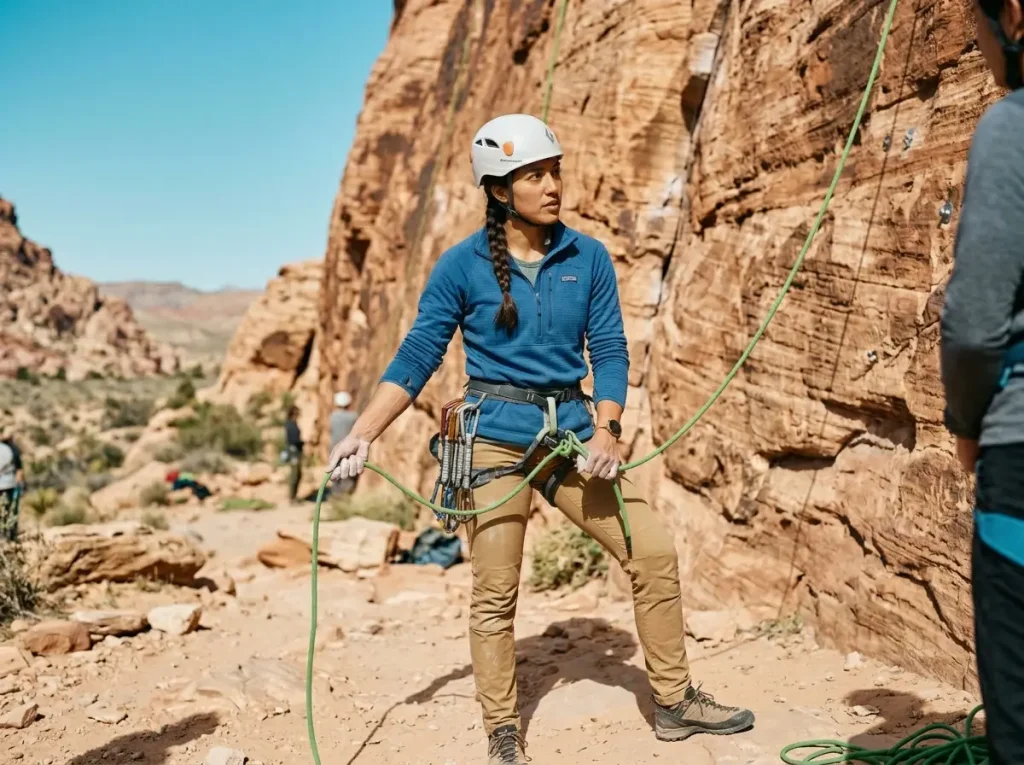
The AMGA splits its certification level ecosystem into an Instructor track and a Guide track, and the distinction isn’t cosmetic — it carries real legal and insurance weight. An instructor teaches climbing skills. A guide leads clients through terrain. The terrain types they’re authorized to use, the insurance products that cover them, and the liability exposure they carry are fundamentally different.
The Climbing Wall Instructor (CWI) — Where the Indoor Pro Starts
The Climbing Wall Instructor credential was established in 2007 as the AMGA’s response to a specific problem: climbing gyms were expanding fast and staffing with people who’d never held a formal certification. The CWI exists to close that liability gap.
There are two tiers. The Top Rope CWI covers standard gym instruction. The Lead CWI requires demonstrating comfort with falling physics and lead-specific clipping mechanics on artificial structures — an explicitly different cognitive demand from managing top-rope scenarios. Both are built around what the AMGA calls Belay Physics: the mechanics of dynamic belaying and correct use of Assisted Braking Devices like the GriGri. You can check the full official AMGA Climbing Wall Instructor program requirements on their site.
The CWI credential is scoped exclusively to artificial structures. Teaching a client to lead on a gym wall falls within SOP. Taking that same client to a single-pitch crag does not. That boundary is the point. Gym staff who instruct without a CWI aren’t just unqualified — they’re an uninsured liability walking around a building full of falling people. The instructor track exists to define who is authorized to manage those risks professionally.
Here’s where people go wrong: they treat the CWI as a career endpoint. It’s a floor, not a ceiling. And if you’re choosing between the AMGA, CWA, and PCIA CWI certifications, the credential issuer matters for where you want to work long-term.
The Single Pitch Instructor (SPI) — The Most Common and Most Misunderstood Cert
The SPI is the most common American certification in outdoor climbing instruction, and most people who hold one misunderstand what it authorizes.
The SPI is an instructor credential, not a guide credential. That distinction carries real insurance and legal weight. Scope of practice for an SPI is unambiguous: single-pitch crags where the instructor can access both the top and bottom without multi-pitch transitions. Any guiding of multi-pitch terrain is an SOP violation that can void your professional liability insurance mid-incident.
The official prerequisites state 12 months of outdoor experience and 15 documented traditional leads for the SPI Course, then 40 clean trad leads and 5 top-managed routes before you sit the SPI Exam. The exam assesses four domains: Movement, Technical Skills, Teaching, and Group Management — not just rope work. If you’re building your foundational trad protection skills before the SPI course, start your logbook now and document everything.
The real bar is higher than the paper prerequisites. Industry veterans report that candidates need to “casually” cruise 5.10 trad — not just be capable of it — to have enough mental bandwidth to simultaneously manage client risk. Candidates fail the SPI Exam not because they can’t climb, but because they lack terrain recognition: the ability to identify objective hazards like unstable rock or inadequate belay stances before they become incidents. That’s the actual filter.
Pro tip: The SPI exam isn’t testing your hardest send — it’s testing whether you can manage Group Management decisions while tied in and responsible for clients. Practice mock guiding with actual humans before you sit the exam, not just solo skill drills.
The Mountain Guide Program — The Triple Track Toward IFMGA
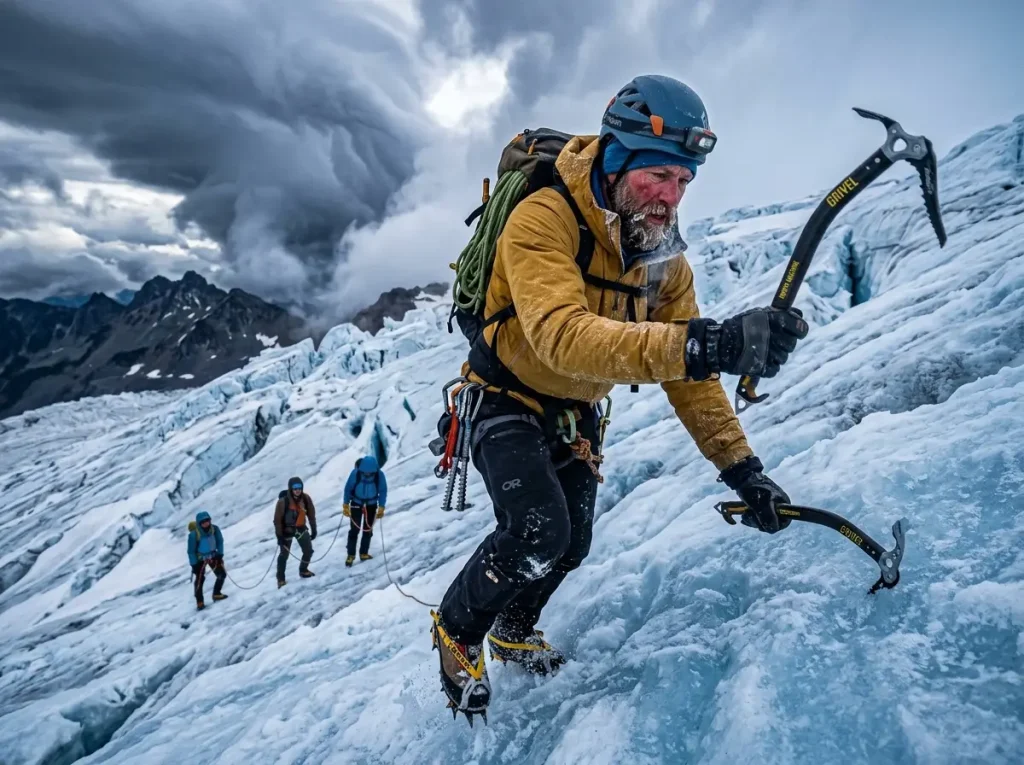
The Mountain Guide Program is a multi-year progression through three disciplines: Rock, Alpine, and Ski. Complete all three and you earn the title “American Mountain Guide” and the IFMGA pin — recognized by over 25 national guide associations worldwide.
The Rock Guide Progression — Multi-Pitch and Client Management
The Rock Guide track begins with the Rock Guide Course (RGC), a 10-day module focused on short-roping and transitions. Prerequisites are 10 trad leads at 5.9 or above and 50 multi-pitch routes. Then comes the Advanced Rock Guide Course (ARGC), the Aspirant exam, and eventually the Certified Rock Guide Exam.
Here’s the hidden standard: the official bar for the RGC is 5.10 trad. The effective bar is comfortable 5.11–5.12 sport, because a guide who gets pumped out placing gear while managing a client simultaneously has failed before anything technical goes wrong. The ARGC shifts the evaluation entirely — it’s no longer “can you climb this?” It’s “can you guide two clients simultaneously on this terrain safely?” That’s a fundamentally different cognitive demand.
Aspirant status is a formal intermediate designation. The guide has passed initial exam components but hasn’t completed the full discipline track. Aspirants operate under a restricted SOP relative to Certified guides, which matters for insurance and for your CUA applications later.
Speed is a safety metric on longer Grade IV/V routes. A guide averaging 20+ minutes at each belay station will run out of daylight, expose clients to rockfall or weather, and demonstrate to any examiner that their systems aren’t automated. Understanding multi-pitch anchor systems and transition efficiency before you show up to the RGC isn’t optional prep — it’s the baseline.
The Alpine Guide Progression — Glaciers, Ice, and Mountain Sense
Three sequential modules: Alpine Skills Course (ASC) → Ice Instructor Course (IIC) → Alpine Guide Exam (AGE).
The ASC entry prerequisites are more accessible than the RGC: 5 ascents with snow climbing and 3 overnight backcountry trips. That accessibility is a trap. The domain is harder. The IIC requires candidates to lead WI4 and M5/6 — technical proficiency in boots and crampons on water ice and mixed terrain, in conditions that are inherently unpredictable. What the brochure won’t tell you is that the Alpine Guide Exam weights Mountain Sense — the capacity to predict weather patterns and avalanche risk — as heavily as technical rope work. That’s not a skill you can speed-train in six weeks.
A Certified Rock Guide who guides clients on glaciated terrain without Alpine certification isn’t just cutting corners — they’re operating outside their SOP with direct legal and insurance consequences. If you’re unclear on what those glacier terrain standards actually require, glacier travel technique and crevasse rescue fundamentals give you the baseline before you assess your readiness.
AIARE Pro 2 — professional avalanche certification — is a non-negotiable co-requirement for the Alpine and Ski tracks. It adds cost and time that most certification articles skip entirely. Budget for it. Budget time for it.
Working guides consistently call the alpine track the most physically demanding. The unpredictability of ice and snow on consecutive 14-hour days is a different kind of attrition than rock climbing. You get tired in ways that don’t recover between pitches.
The IFMGA Pin — What the American Mountain Guide Title Actually Means
Completing all three tracks (Rock + Alpine + Ski) grants the IFMGA pin — the international credential recognized by guide associations in over 25 countries. This is international guiding legality, not just prestige. A Certified Rock Guide credential does not provide that clearance. The distinction matters if you want to guide paying clients in Chamonix, the Dolomites, or anywhere with functioning alpine guide regulation.
In US National Parks, IFMGA certification matters for Commercial Use Authorization (CUA) applications. Guiding Denali or Mount Rainier without an approved CUA isn’t a technicality — it’s the end of your commercial guiding career in that territory. Here’s what most AMGA articles miss: the IFMGA pin doesn’t come with a CUA. The pin and the permit are separate application processes. IFMGA-certified guides still face service-day limitations and client-ratio requirements that vary by specific NPS agreement. Read the Denali National Park CUA guiding requirements and stipulations before you assume the pin is a blanket authorization. It is not.
For an honest look at what guiding that environment actually demands, what Denali’s West Buttress demands from guides and clients alike gives you the operational reality before you commit your CUA application timeline.
The Physics the AMGA Actually Tests
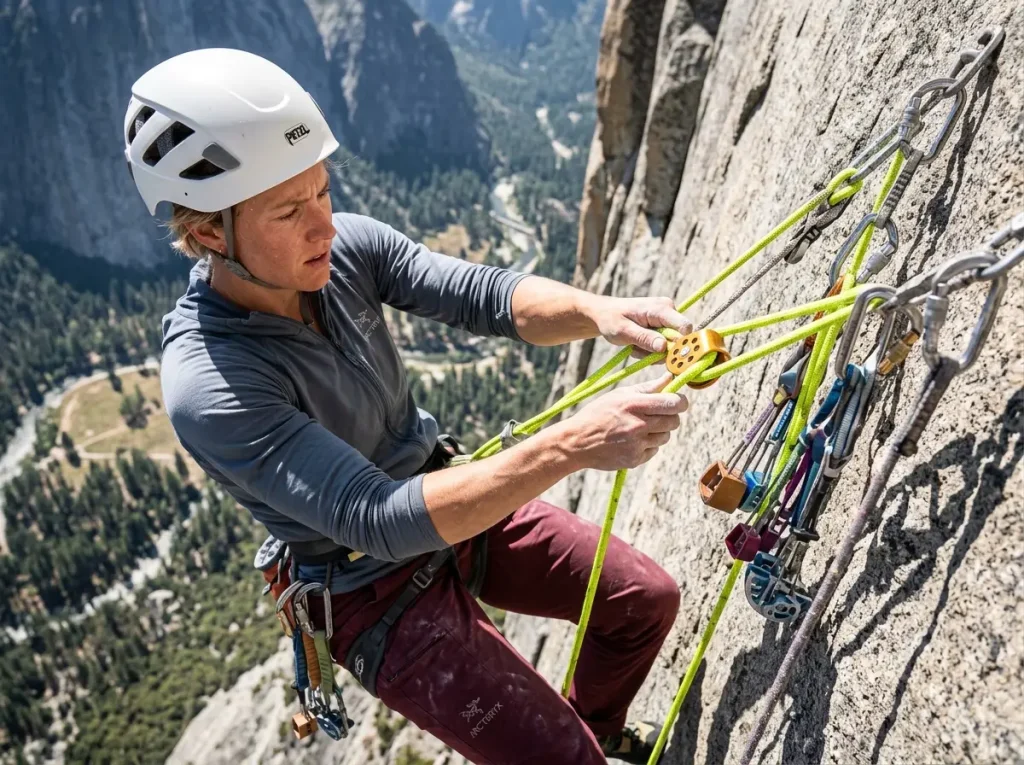
The AMGA approach to safety is an engineering framework, not a tradition. Force matters. Geometry matters. The physics the exams test aren’t there to make candidates feel inadequate — they exist because the consequences of getting them wrong fall on clients.
Kilonewton Loads and the 120-Degree Rule — Anchor Geometry That Decides Pass or Fail
In guiding, weight is irrelevant. Only force matters. Hardware is rated in kilonewtons (kN), where 1 kN equals approximately 225 pounds of force. A static load — a hanging client — generates a fundamentally different force profile than a dynamic load — a falling climber. Understanding that distinction is a core exam component, not a bonus question.
The 120-degree rule is non-negotiable in the field and on the exam. If the angle between two anchor legs exceeds 120°, the force on each leg exceeds the total load. At 60°, each anchor leg carries about 58% of the total load — the standard safe “V” configuration. At 120°, each leg carries 100% of the load, with zero reduction benefit. Beyond 120°, you’re multiplying force and actively compromising the anchor.
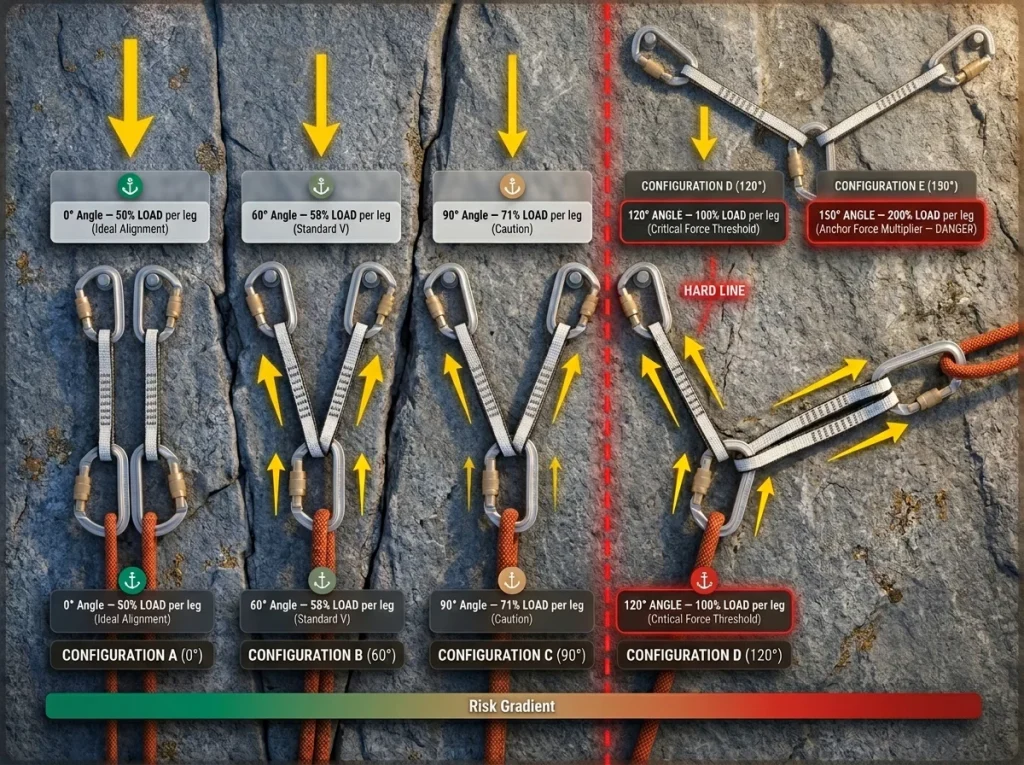
Examiners watch for upside-down carabiners as a litmus test. A candidate who gets caught in the “Rabbit Hole” — fixating on a minor error while a larger safety problem develops unnoticed — fails. The detail that catches you in the AMGA exam is always the one you weren’t watching. Understanding the SERENE/ERNEST anchor framework for equalization and redundancy before you sit any guide-track exam is the tactical move. You want this automated, not consulted.
For a deeper look at the engineering principles behind anchor efficiency, mechanical advantage systems in rope rescue — university engineering reference provides the theoretical grounding that shows up in guide-track examinations.
Pro tip: The 120-degree rule fails candidates not because they don’t know the number — they do. It fails them because they build anchors under stress and lose track of geometry. Practice anchor building with a deliberate timer. If you can’t build a correct anchor in under two minutes while having a conversation, your systems aren’t automated enough for exam conditions.
Mechanical Advantage Systems — The Hauling Physics Every Guide Carries
The AMGA teaches the T-Method for calculating Theoretical Mechanical Advantage (TMA) of pulley systems — a mental framework you need to be able to run in your head, not on a calculator.
Simple systems: all traveling pulleys move the same direction and speed as the load. The Z-rig (3:1) is the standard field haul system. Compound systems stack one simple system on another — a 2:1 pulling a 3:1 creates a 6:1 theoretical advantage.
Here’s what most guides skip in their training and then discover on a real rescue: the Friction Tax. Actual Mechanical Advantage (AMA) is always lower than TMA. Using carabiners instead of true pulleys reduces efficiency by roughly 33%, which turns a 3:1 Z-rig into roughly a functional 2:1 system in real conditions. For a one-guide-two-client scenario in a crevasse rescue or off-route emergency, knowing the difference between a Z-rig’s advertised advantage and its real-world output is the difference between managing the situation and calling for help. How mechanical advantage systems affect anchor load — Alpine Savvy analysis breaks down the math in a way that’s directly applicable.
For a practical breakdown of how these systems build and scale, climbing pulley systems and mechanical advantage ratios explained gets you out of the theoretical and into field application.
The Financial Reality — What the AMGA Track Actually Costs
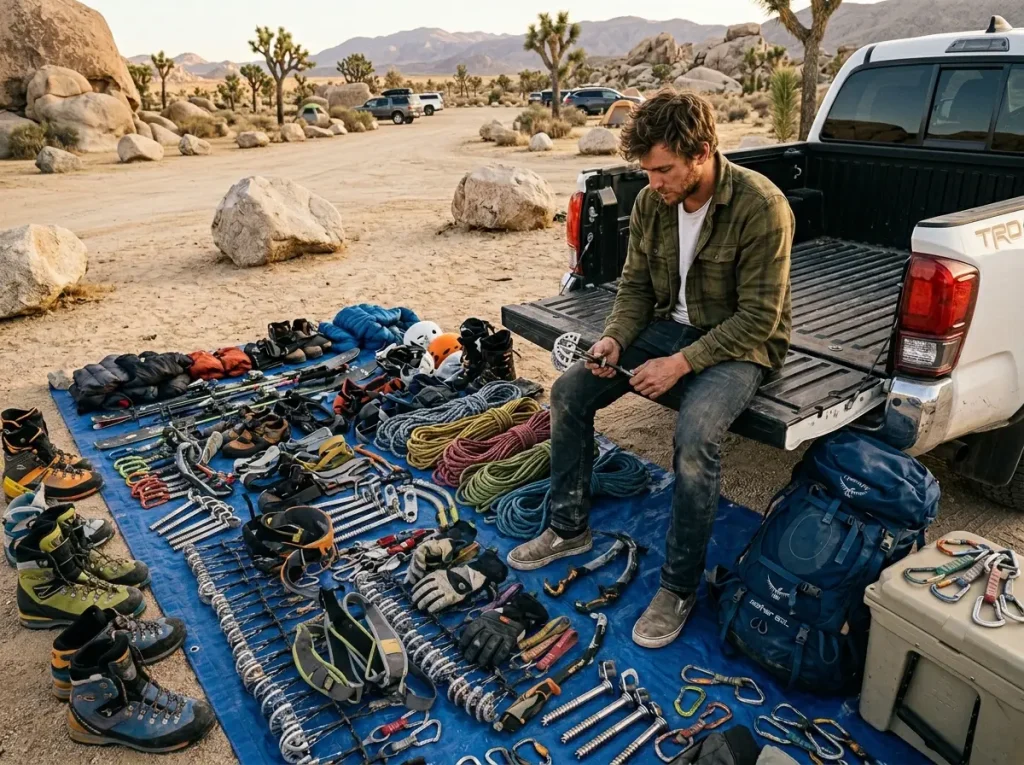
Nobody who stops at tuition is giving you the real number.
The Hidden Costs Table — Tuition Is Only the Beginning
Tuition for the complete track — all courses and exams across all three disciplines — runs roughly $26,700 to $40,000. That number looks large until you add everything else.
Gear investment runs $5,000 to $10,000 minimum. This isn’t casual climbing gear. This is professional-grade skis and boots, a full multi-rack cam set, Gore-Tex hardshell systems, crampons, ice tools, and more — all at specs that examiners will notice if undercut. Travel and lodging adds another $10,000 to $20,000 or more across a multi-year track. Courses run in Alaska, Washington, and Nevada. Local climbing doesn’t substitute for required venue attendance.
WFR (Wilderness First Responder) certification runs $700–$900. AIARE Pro 1 and Pro 2 combined run $1,000–$1,500. These are non-optional prerequisites, not optional add-ons. Application and per-module exam fees add another $750+ cumulatively. For how to build a realistic budget framework for a major alpine objective, the planning methodology transfers directly to tracking certification costs across a multi-year timeline.
Total realistic investment: $45,000–$75,000 across 5–10 years. Any article that stops at tuition is giving you the number you want to hear, not the number you need to plan around.
The Anti-Sell — What You’ll Earn After Getting Certified
Here it is unvarnished.
Entry-level Aspirant guide day rates run $150–$250. A guide who works 100 days per year earns $15,000–$25,000 — less than minimum wage when prep time is factored in. IFMGA Certified guide day rates run $400–$800+ depending on objective and location. Full-time working guides at the upper end operate their own businesses to avoid the “office cut” from large guiding companies.
Annual income for a full-time IFMGA guide typically runs $50,000–$80,000. A $70,000 investment with a $60,000/year income ceiling represents a capital recovery period of five to seven years just to break even, before ongoing gear replacement, insurance, and continuing education.
The cost-to-income ratio here is not favorable on paper. This is not a credential designed for financial optimization. It is a professional credential for people who would do this job anyway — and need the piece of paper to do it legally and safely, within the legal implications and insurance implications that define professional practice.
Scope of Practice — The Legal Boundaries That Can End Your Career
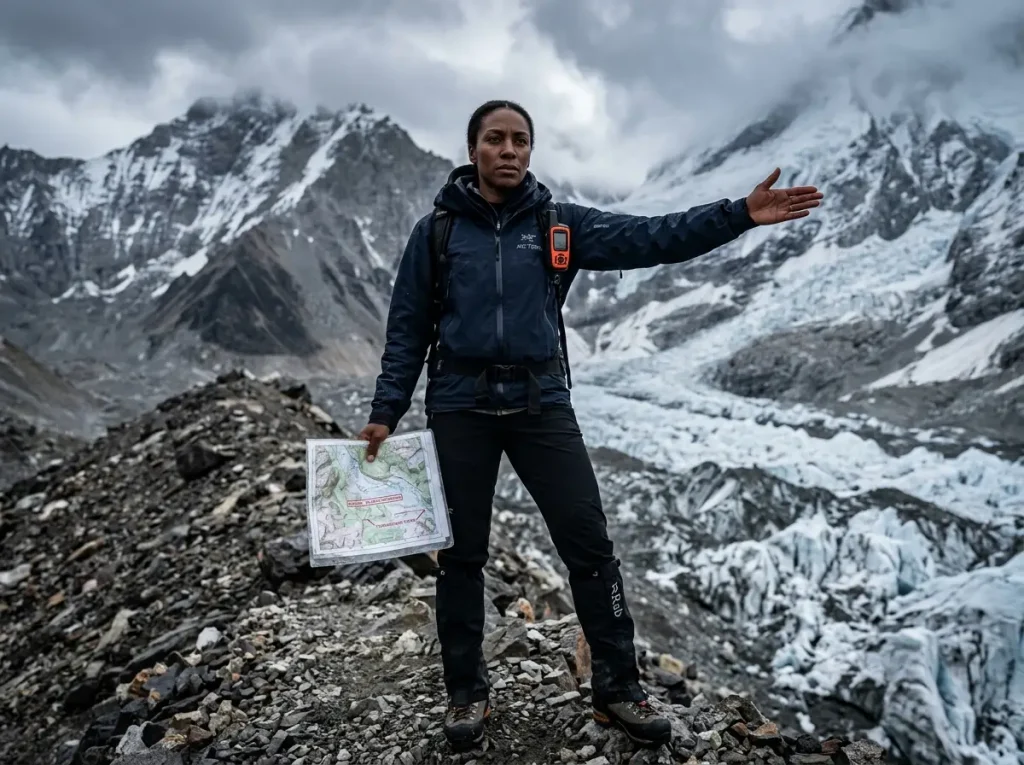
Every AMGA certification level comes with a scope of practice document. Most aspiring guides read it once and then stop thinking about it. That’s the wrong approach.
The Three-Tier Terrain Complexity Scale
The SOP uses three terrain classifications:
Simple Terrain is managed with straightforward techniques where hazards rarely overlap. Think 5.7 rock with clean, uncomplicated approaches.
Challenging Terrain demands advanced techniques and frequent hazard overlap — Grade III alpine routes with snow and rockfall exposure both in play.
Complex Terrain requires creative problem-solving, significant short-roping, and multiple simultaneous hazards — rockfall, glaciers, steep snow. Technical routes on major peaks.
This is not a gradient of preferred routes. It’s a legal classification system. Guiding terrain above your SOP clearance is a breach of professional standards with direct insurance consequences. The SOP-by-level breakdown is concrete: SPI → single-pitch rock only. Apprentice Rock Guide → multi-pitch under supervision. Certified Rock Guide → Grade III–V multi-pitch, no glaciated terrain without Alpine certification. Check the official AMGA Scope of Practice document — this is the governing document for your career, not a suggestion. Applying a climbing risk assessment matrix to route selection is the practical counterpart: translating the SOP’s terrain language into actual route-planning decisions.
What Happens When Guides Operate Outside Their SOP
Guiding multi-pitch terrain as an SPI is not just an ethics violation. It is a professional liability instrument that can void your insurance policy mid-incident — which means you’re personally liable for everything that happens.
A Certified Rock Guide who takes clients onto a glacier without Alpine certification faces the same insurance invalidation scenario plus potential negligence exposure if an incident occurs. In National Parks with CUA requirements, guides operating outside their SOP may lose permit eligibility — a career-ending consequence for commercial operators. Those permits don’t come back easily.
Picture this: a client looks up from a ledge at the end of a pitch and says “can we just do one more?” You’re SPI-certified. The answer is no. That “no” isn’t a confession of limited ability. It’s a professionally mandated boundary, and it’s the kind of boundary described by USFS outfitter-guide permit screening criteria and requirements that determines whether you keep your permit for next season.
The terrain restriction system exists for the same reason that aviation has hard crew rest requirements: most guiding accidents aren’t caused by technical incompetence. They’re caused by incremental scope expansion that nobody explicitly decided to do. Understanding how layered safety systems prevent guiding failures explains the structural logic behind why these limits are engineered the way they are.
Pro tip: Memorize your SOP boundaries before your first paid day in the field, not after. The moment you’re managing tired clients at the base of an appealing route is exactly the wrong moment to be unclear on where your authorization ends.
The Psychology of the AMGA Exam — How Candidates Actually Fail
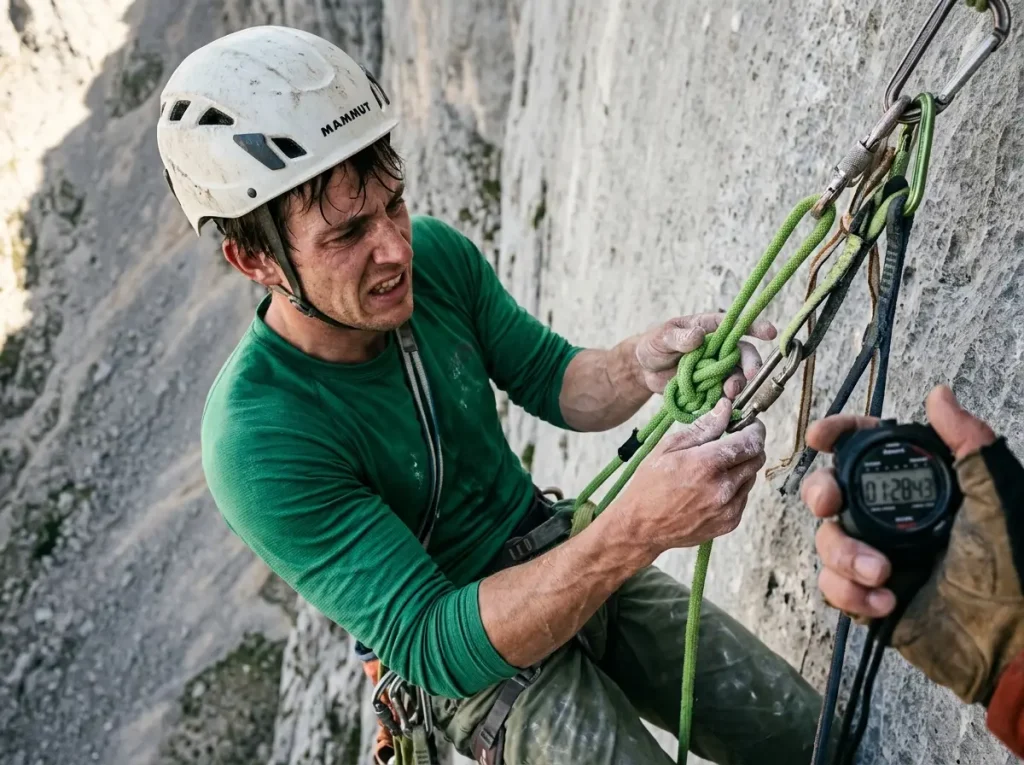
Most exam-preparation resources tell you what to practice. This section tells you why candidates with the right skills still fail — and it’s a more useful question.
The Three Failure Modes — Why Competent Climbers Don’t Pass
Three patterns show up repeatedly in AMGA exam failures:
The Rabbit Hole. A candidate makes a minor technical error — gates misaligned on adjacent carabiners, say — and becomes so focused on fixing it that they abandon situational awareness. A larger safety hazard develops unnoticed. On most exams, this is an automatic failure. The examiner isn’t watching the error. They’re watching whether you notice what’s happening two feet away while you fix it.
Brake Strand Neglect. Removing the brake hand during a rappel or belay sequence. In a high-consequence guiding environment, this is an immediate, non-negotiable failure signal. It’s also the most preventable failure there is. There is no scenario where losing the brake hand is acceptable.
Inefficient Transitions. On Grade IV/V objectives, transition speed is a safety metric. Guides who average 20+ minutes at each belay station will consistently expose clients to unnecessary objective risk from weather, rockfall, or darkness. The exam isn’t timing you arbitrarily — it’s simulating real terrain where daylight is finite.
All three failure modes have the same root cause: insufficient automation of hard skills. If tying a Munter-Mule-Overhand requires active cognitive effort, there’s no bandwidth left for client care under stress. Rope systems need to run on autopilot so your brain can monitor terrain, weather, client condition, and route-finding simultaneously. Building the mental automaticity that separates competent climbers from safe guides goes directly at this problem.
The Shadow Resume — How to Build an AMGA-Ready Logbook
Professional candidates don’t just go climbing. They engineer their climbing guide certification path to meet AMGA documentation requirements from day one.
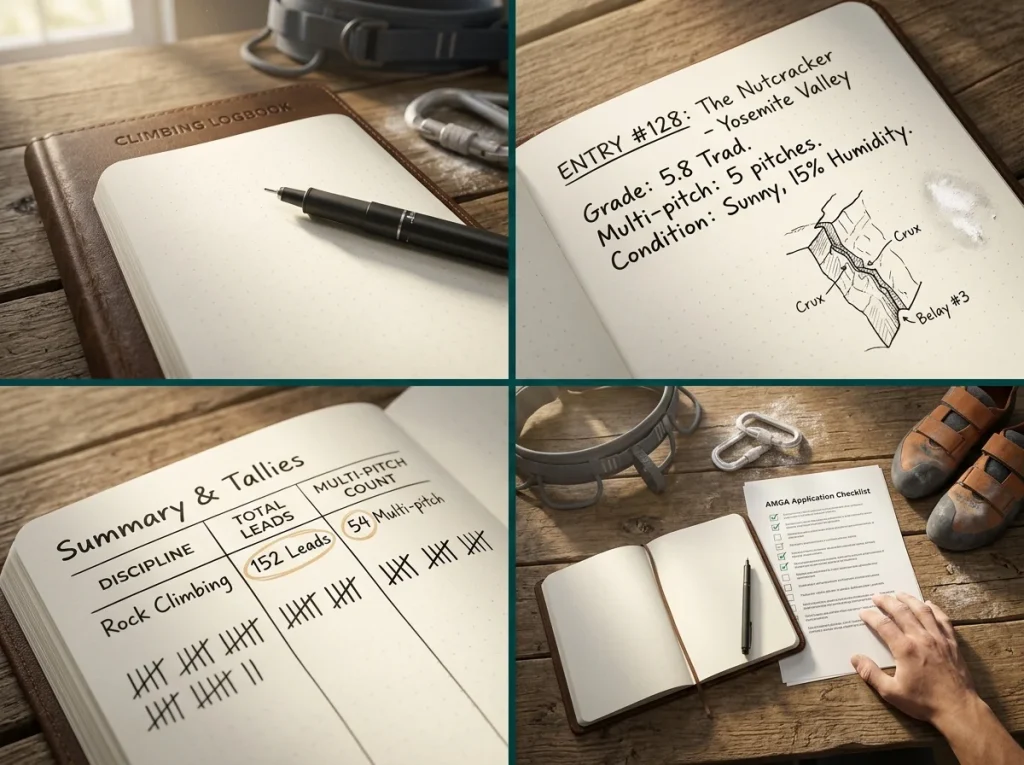
Start from shifting from grade-chasing to process-based climbing goal tracking — the mindset shift that makes logbook-building sustainable long-term. Every outing gets documented: rock type, grade, approach conditions, multi-pitch vs. single-pitch, weather. Fifty routes at the same crag does not constitute resume diversity. Examiners want evidence of competence across granite, sandstone, and limestone. The resume building strategy requires intentional variety.
The “mock guiding” strategy is the highest-value preparation available: before sitting any exam, spend months guiding willing friends as if they were paying clients — managing rope, communication, and decisions while deliberately introducing sloppiness to force real problem-solving. This is how you automate the hard skills before they count.
Logging format matters. The AMGA application process requires specific documentation of route grades, multi-pitch vs. single-pitch instructor counts, and terrain types. Starting this log on day one of serious climbing intent saves years of retroactive reconstruction. Think of the logbook as your Shadow Resume — it doesn’t just record what you climbed. It demonstrates that you’re already thinking like a professional.
Regulatory and Permitting Realities — The Bureaucracy No One Warns You About
Commercial Use Authorizations — The Permit Behind the Pin
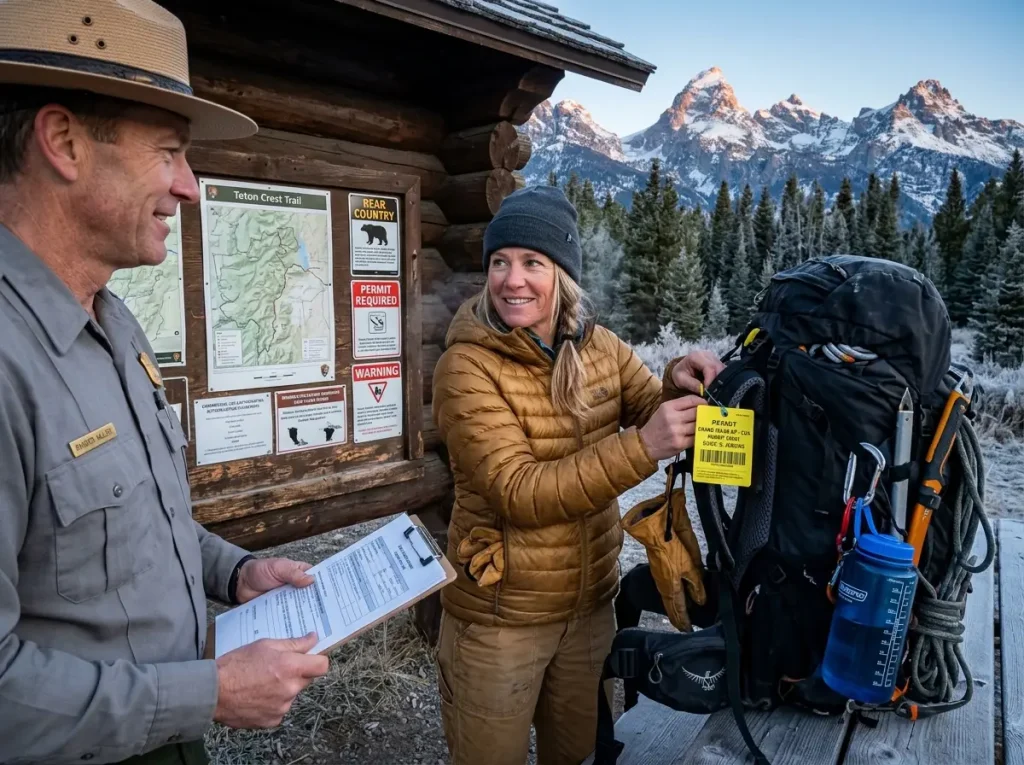
A CUA is required for all commercial guiding in National Parks. It’s non-exclusive and comes with strict client-to-guide ratios — often 1:1 on technical terrain — and specific terrain authorizations that vary by park. The CUA doesn’t come with the IFMGA pin. They’re separate application processes, often with waiting periods and competitive review.
Mount Rainier permits only official concessions or CUA holders. Solo guide travel with clients is prohibited on technical routes. Check Mount Rainier National Park permitting and guide concession requirements before you start planning a commercial season there — the structure is more specific than most guides expect.
Denali has a maximum group size of 12. All solid human waste must be removed using Clean Mountain Cans (CMC) — a gear and logistics requirement that adds real operational complexity to your first commercial season.
USFS permits for non-National Park terrain are frequently “capped,” with new applications accepted only during a limited Open Season window (typically November–December). Apply late and you’re waiting another full year. The permit application process is a professional skill in itself. Guides who fail to account for CUA timelines when planning their first commercial seasons lose months of earning potential. The broader pattern of federal land management that governs guiding access is also shaped by fixed anchor policy — how federal land management policies affect guiding access and route development gives context on how these systems interact.
What the AMGA Track Is Actually For
Three things every aspiring guide needs to anchor before they spend their first dollar on a course:
The AMGA track is not a climbing curriculum. It’s a risk management credential. Every element of every exam — anchor efficiency, transition speed, terrain recognition — is testing your capacity to protect other people’s lives in complex environments. If you’re pursuing this credential to climb harder, you’re in the wrong program.
The real cost is $45,000–$75,000+ and 5–10 years. Build that into your career plan before you register for the SPI course. The guides who flame out mid-track are almost always the ones who didn’t do this math on day one. The chronological sequence of modules requires continuous cash availability, not just tuition for the next course.
Scope of practice is not optional. The terrain boundaries are not bureaucratic hurdles. They are the professional contracts that make you insurable, legally protected, and trusted by the agencies that grant access to the mountains that matter.
Pull your climbing logbook and count your documented trad leads. If the number makes you uncomfortable, that’s the exact data you need to build your next 12-month development plan. The prerequisites are not obstacles — they are the training protocol.
FAQ
How long does it take to become an AMGA guide?
At minimum, 5–7 years from serious start to Certified Rock Guide status, assuming consistent climbing volume and no gap years between modules. Full IFMGA certification — all three tracks — typically requires 8–12 years for working professionals who aren’t climbing full-time during the prerequisite phase.
What is the difference between AMGA and IFMGA certification?
The AMGA administers the certification programs in the United States. The IFMGA is the international standard body. Completing all three AMGA guide tracks — Rock, Alpine, Ski — earns IFMGA recognition, which grants legal guiding authorization in over 25 member countries. The AMGA is the national pathway; the IFMGA is the international credential.
Can you guide professionally without AMGA certification?
Technically, yes — the US has no federal law requiring it for private guiding. But guiding commercially in National Parks and most federal lands requires a CUA, and agencies strongly prefer or require AMGA credentials. More critically, professional liability insurance requires appropriate certification. An uncertified guide is effectively uninsured and personally liable in the event of an incident.
What are the actual prerequisites for the AMGA Rock Guide Course?
The formal prerequisites are 10 trad leads at 5.9 or above and 50 multi-pitch routes. The unofficial bar is significantly higher. Experienced candidates typically lead 5.11–5.12 sport comfortably before their RGC, ensuring they have the cognitive reserve to manage clients while climbing technical terrain. Document every lead and multi-pitch outing from day one.
How much does AMGA certification cost in total?
The full IFMGA track costs approximately $45,000–$75,000+ when all expenses are accounted for — tuition ($26,700–$40,000), gear ($5,000–$10,000), travel or lodging ($10,000–$20,000), ancillary certifications like WFR and AIARE Pro ($2,000+), and application fees ($750+). Most articles cite only tuition. Planning only for tuition is one of the clearest predictors of not completing the track.
Safety Notice: Rock climbing and mountaineering are inherently high-risk
activities that can involve physical trauma or fatal incidents. The information on Rock Climbing Realms is for
educational and informational purposes only. Techniques and advice presented here are not a substitute
for professional, hands-on instruction. Conditions and risks vary by location. Always seek guidance
from a qualified instructor before attempting new techniques. By using this website, you agree that you
are solely responsible for your own safety. Any reliance you place on this information is strictly
at your own risk, and you assume all liability for your actions. Rock Climbing Realms and its authors
will not be held liable for any harm, damage, or loss sustained in connection with the use of this information.
Affiliate Disclosure: We are a participant in the Amazon Services LLC Associates Program, an
affiliate advertising program designed to provide a means for us to earn advertising fees by advertising and linking
to Amazon.com. As an Amazon Associate, we earn from qualifying purchases. We are also an official affiliate partner
of Black Diamond Equipment via the AvantLink network. If you click on a Black Diamond affiliate link and make a
purchase, we may earn a commission at no additional cost to you. We also participate in other affiliate programs.
Additional terms are found in the terms of service.